
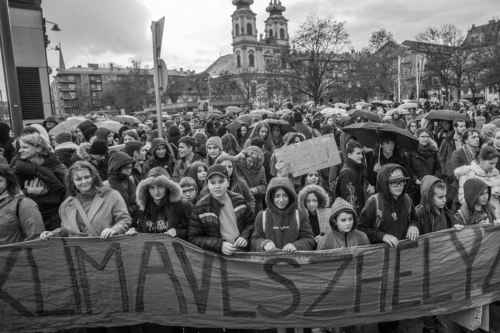
According to a joint study by the Youth Research Institute and the Climate Policy Institute, the perceived importance of climate change is declining among 15–39-year-olds, even though the topic remains relevant. The survey, conducted by the two research institutes of the Mathias Corvinus Collegium (MCC), found that the majority of young people do not support climate action if it leads to higher living costs.
Most young Hungarians aged 15–39 feel that climate change receives more attention today than five years ago, yet fewer believe that it should be talked about even more. While young people are primarily concerned with the future, they are more focused on family, relationships, financial stability, health, and political developments (both domestic and global) than on climate issues. This reflects the current global sense of instability; respondents most often described 2024 as a year marked by hardship and turbulent change.
A majority (63%) reject the idea that the fight against climate change should result in higher living costs. Only about one-third (32%) are willing to make financial sacrifices for the sake of the environment.
When asked what they would be most willing to give up in the name of climate action, top answers included:
- International travel (27%)
- Buying new clothes (25%)
- Certain food items (17%)
- Car use (14%)
- Having children (10%)
Regarding this last point, respondents were also asked whether they agree with the idea that people should stop having children for the survival of the planet. This statement was rejected by 39%, while 26% agreed; the remaining respondents were either undecided or chose not to answer.
This representative public opinion poll was conducted in January 2025 using CAWI methodology, surveying 1,000 Hungarian citizens aged 15–39.
For more useful content, visit the Climate Policy Institute’s website!